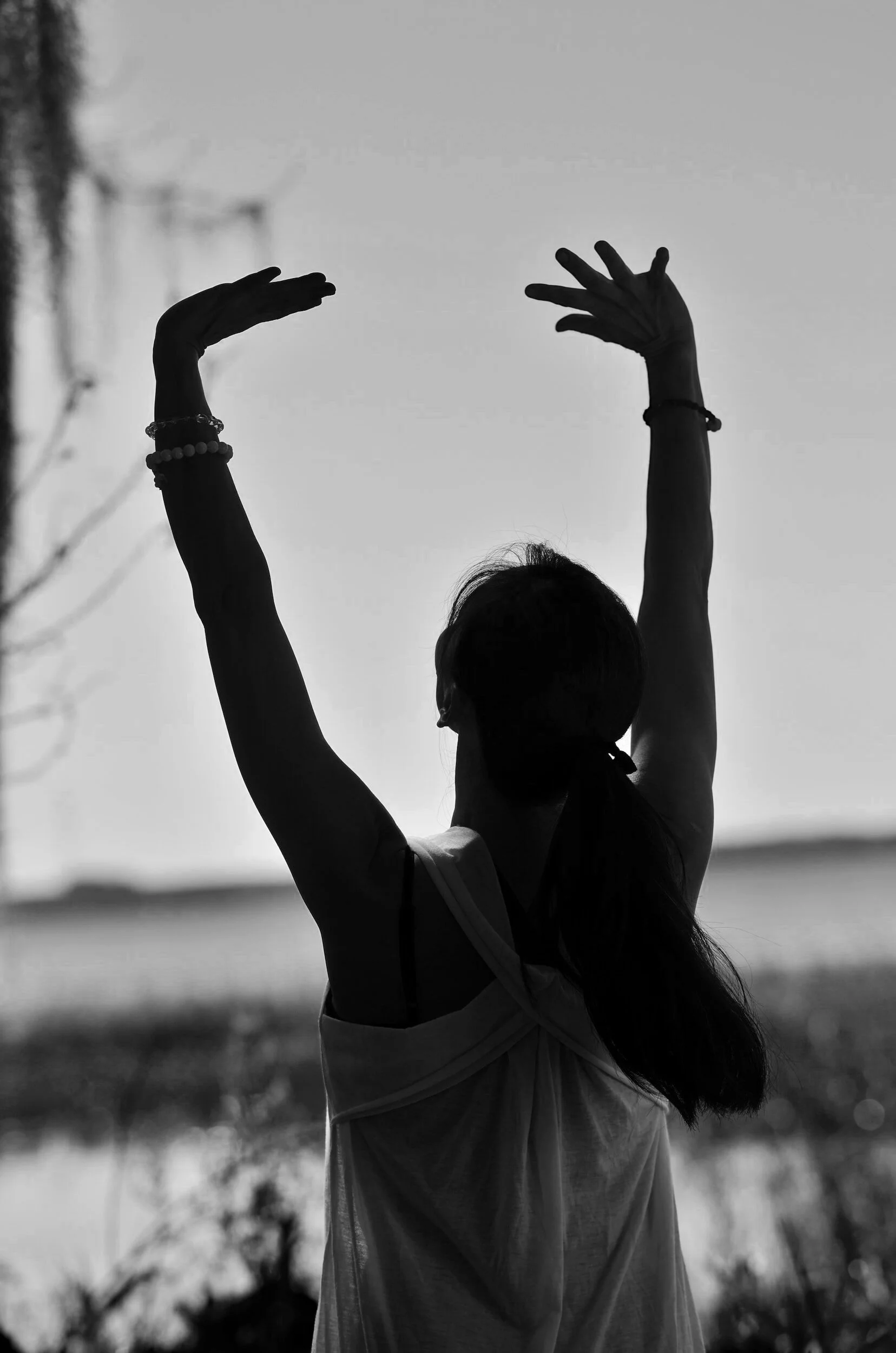
A Playful Approach for Active Older Adults

A playful approach to movement ignites joy and spontaneity, making exercise feel less like a chore and more like a delightful game for active older adults. Engaging in activities that incorporate laughter, social interaction, and creativity helps to reduce resistance to movement. When the focus shifts from rigorous workouts to fun, light-hearted experiences, older adults are more likely to feel motivated to participate regularly, fostering a positive attitude towards their fitness journey.

Active older adults thrive in environments where they can connect with others and express themselves freely. By integrating playfulness into exercise programs—such as dance, group games, or obstacle courses designed with a twist—participants build camaraderie and share smiles. This social component not only enhances their physical engagement but also strengthens emotional bonds, creating a supportive community that encourages everyone to keep moving and celebrating their capabilities.

Moreover, playfulness can enhance cognitive function and creativity, which are vital for maintaining overall well-being in older adults. When movement is woven with elements of fun, it can stimulate mental engagement and memory retention, making each session an invigorating experience for both body and mind. By cultivating a playful atmosphere, exercise transforms into a delightful exploration of movement, empowering older adults to embrace their physical potential while enjoying every step along the way.

The Soft Skill of Coaching

Coaches can unlock their creative potential by embracing a play-based approach to teaching human movement. This playful methodology prioritizes exploration and discovery, allowing athletes to engage with their bodies in an organic and instinctual manner. By incorporating games and fun drills, coaches can spark joy in movement, fostering a more profound connection between athletes and their physical capabilities. This approach not only enhances skill development but also ignites creativity in how athletes move, think, and react in various scenarios, making the learning process not only effective but enjoyable.

Incorporating play into coaching encourages coaches to think outside conventional training norms, inviting innovation in coaching strategies. By utilizing imaginative themes, playful challenges, and scenarios that mimic real-life situations, coaches can create an environment where athletes feel safe to experiment and take risks. This experimentation leads to a deeper understanding of movement mechanics and strategy, equipping athletes with the versatility needed to navigate competitive environments. Ultimately, a play-based approach not only cultivates creativity among coaches but also nurtures resilient, adaptable athletes ready to thrive.

Play is Motor Learning

Play is the best way to learn new movement skills because it fosters a sense of curiosity and exploration. When individuals engage in playful activities, they naturally experiment with different movements without the fear of making mistakes. This exploration allows them to discover their body's capabilities in a fun and relaxed environment, which enhances creativity and spontaneity. By incorporating elements of play, learners can develop a deeper understanding of coordination, balance, and agility as they interact with their surroundings in a joyful manner.

Moreover, play often involves social interaction, which can amplify the learning experience. When individuals participate in playful activities with others, they not only learn new skills but also receive feedback and encouragement from their peers. This collaborative aspect creates a supportive atmosphere that motivates learners to push their boundaries and take risks. As they navigate games and challenges together, individuals build confidence and internalize movement patterns that may become second nature over time. In this vibrant tapestry of connection and fun, the learning process feels effortless, ensuring that new movement skills are not merely acquired but joyfully embraced.

How to Get Strong Through Play

A play-based approach to martial arts training can be a powerful tool for developing strength and overall physical fitness. By incorporating games and challenges into training sessions, martial artists can engage their bodies and minds in a way that promotes natural strength development. For example, obstacle courses designed to mimic real-world combat scenarios can help build explosive power, agility, and endurance. Additionally, partner drills that involve grappling or striking can improve strength and muscle tone through dynamic resistance.

Furthermore, play-based training fosters a sense of fun and excitement, making it easier for martial artists to stay motivated and consistent with their training. This increased engagement leads to greater effort and intensity, which ultimately translates to faster progress. By focusing on skill development and creative problem-solving within a playful context, martial artists can unlock their full potential and achieve significant physical and mental gains.

Play for the Aging Artist

Play is not just for children; it's a vital ingredient for creativity at any age. Engaging in playful activities stimulates the brain and encourages out-of-the-box thinking. Whether it’s through art, games, or even improvisational exercises, play allows older adults to experiment, take risks, and explore new ideas without the pressure of performance. This freedom helps to maintain a creative mindset, fostering innovation and original thought that can lead to personal growth and fulfillment.

Additionally, play ignites curiosity and invites exploration, qualities that often wane as we age. By participating in playful pursuits, individuals can reconnect with their sense of wonder, rekindling the joy of discovery. Whether it's trying a new hobby, joining a community theater group, or tackling brainteasers, these playful engagements can reinvigorate the mind, making it easier to approach challenges with a fresh perspective. Embracing play can transform mundane routines into exciting adventures that spark creativity.

Moreover, the social aspect of play is crucial for creativity in older years. Engaging with others in playful interactions fosters collaboration and the exchange of ideas, which can create a rich environment for creative thinking. Sharing experiences through games, improvisation, or storytelling can lead to unexpected connections and inspire innovation. This interaction not only nourishes creativity but also strengthens relationships, making the journey of aging a joyful, enriching experience full of possibility.

Building Stronger Artists

Physical strength and movement can significantly enhance one’s artistic and creative expression. When the body is strong and well-conditioned, it becomes a vessel for exploration and experimentation. Engaging in physical activities like dancing, sculpting, or painting requires a level of bodily awareness and control that a strong physique can provide.

The freedom to move fluidly, manipulate materials, or express oneself through motion opens the door to new ideas and innovative approaches to art.

This physical confidence translates into artistic confidence, allowing creators to take risks and venture into uncharted creative territories.

Moreover, the interplay between strength and creativity fosters a heightened sense of discipline and focus. Regular physical training instills a mindset of perseverance and resilience, which can resonate deeply within the creative process. Artists often face challenges and moments of self-doubt, but a strong body nurtures a strong mind, empowering individuals to push through obstacles. The rhythm and repetition inherent in physical training can also inspire artistic rhythms, leading to unique patterns and themes in one’s work. Thus, the union of physical strength and creativity cultivates a vibrant synergy, enhancing the artistic journey and inviting boundless possibilities.

A Playful Approach to Creativity

Moving well unleashes the body’s kinetic energy, allowing thoughts to flow more freely. When we engage in playful movement—be it a spontaneous dance, a stroll in the park, or an impromptu stretching session—our brains enter a state of heightened awareness. This liberation of physical expression encourages new connections and sparks innovative ideas. Whether it’s rolling on the ground or trying a new yoga pose, the unpredictability of movement invites us to relinquish rigid thoughts and embrace creativity.

Embracing a playful mindset further fuels creative exploration.

When we approach our tasks with lightheartedness, we dismantle the barriers of perfectionism and fear of failure. This playful attitude transforms challenges into opportunities for experimentation, leading to surprising breakthroughs. As we play, we open ourselves to uncharted avenues of thought, allowing our minds to wander and weave through different perspectives. The combination of moving well and a playful approach creates a dynamic environment where creativity flourishes, turning the mundane into a delightful adventure of invention.

Building Stronger Artists Through Play

Martial artists can enhance their physical conditioning by integrating play into their training routines. Engaging in playful activities like obstacle courses, martial arts-themed games, or even playful sparring sessions can make workouts more enjoyable while building strength, agility, and flexibility. These activities mimic the unpredictable nature of real combat, allowing martial artists to develop quick reflexes and body awareness in a fun and stress-free environment. The element of play encourages creativity and exploration, leading to a more dynamic and effective training experience.

Incorporating playful elements, such as partner drills that resemble tag or flow-based movement exercises, can foster a deeper connection between movement and body mechanics. When martial artists are having fun, they are more likely to push their boundaries and experiment with new techniques, resulting in improved muscle memory and coordination. This exploration can also lead to discovering unique ways to engage the body, helping athletes avoid the monotony of repetitive workouts and instead encouraging a joyful engagement with physical activity.

Lastly, play encourages social interaction, which can be a vital aspect of training in martial arts. Participating in group games or team-based drills allows martial artists to build camaraderie, create support systems, and share feedback in a lighthearted way. This community aspect promotes positive reinforcement, motivation, and an overall sense of belonging, making the journey toward a stronger body not just about self-improvement but also about connecting with others. Together, these elements create an atmosphere where martial artists can thrive, forging not only stronger bodies but also happier minds.

A Playbased Approach for Martial Arts

A playful and creative approach to movement and learning can significantly enhance one's skills as a martial artist by fostering adaptability. When practitioners engage in movement play, they are encouraged to explore different angles, rhythms, and techniques without the constraints of rigid structures. This freedom allows for experimentation, promoting a deeper understanding of movement mechanics and the principles of martial arts. By embracing spontaneity, martial artists can discover new ways to apply their techniques, making them more versatile in various situations.

Moreover, a playful mindset helps to reduce the fear of failure, which can be a major barrier to effective learning. When practitioners view challenges as opportunities for growth rather than threats, they open themselves up to a richer learning experience. This shift in perspective encourages a willingness to try new movements and concepts, leading to unexpected discoveries and innovations in technique.

As martial artists cultivate this sense of play, they become more resilient and resourceful, qualities that are essential in both training and real-life applications.

Additionally, incorporating creativity into martial arts practice serves to strengthen the connection between mind and body. Engaging in imaginative movement not only keeps training sessions stimulating but also encourages mindfulness and presence. Through this holistic approach, martial artists can enhance their focus and awareness, vital components during sparring or self-defense situations. Ultimately, by combining playfulness with a serious dedication to their craft, martial artists can elevate their practice, fostering growth, skill, and confidence on and off the mat.

Qi Gong Creative

Qi Gong, an ancient practice that combines movement, breath, and meditation, fosters a unique state of relaxation that can significantly enhance creativity.

By promoting the flow of vital energy, or "qi," within the body, practitioners often experience increased mental clarity and emotional balance. This harmonious state can allow for more open and fluid thought processes, enabling individuals to access fresh ideas and innovative solutions that may have previously been obscured by stress or mental clutter. As the mind becomes more attuned to the present moment, it can more easily engage in spontaneous and imaginative thinking.

Furthermore, the rhythmic and mindful movements of Qi Gong can inspire a sense of playfulness and exploration, qualities that are essential for creative expression. As individuals immerse themselves in the practice, they learn to let go of rigid thinking patterns and embrace a more fluid approach to problem-solving. This cultivated mindset encourages experimentation and the willingness to take risks, both of which are vital components of the creative process. Through consistent practice, participants can establish a deeper connection with their inner selves, unlocking the potential for artistic and innovative breakthroughs that enrich their personal and professional lives.