
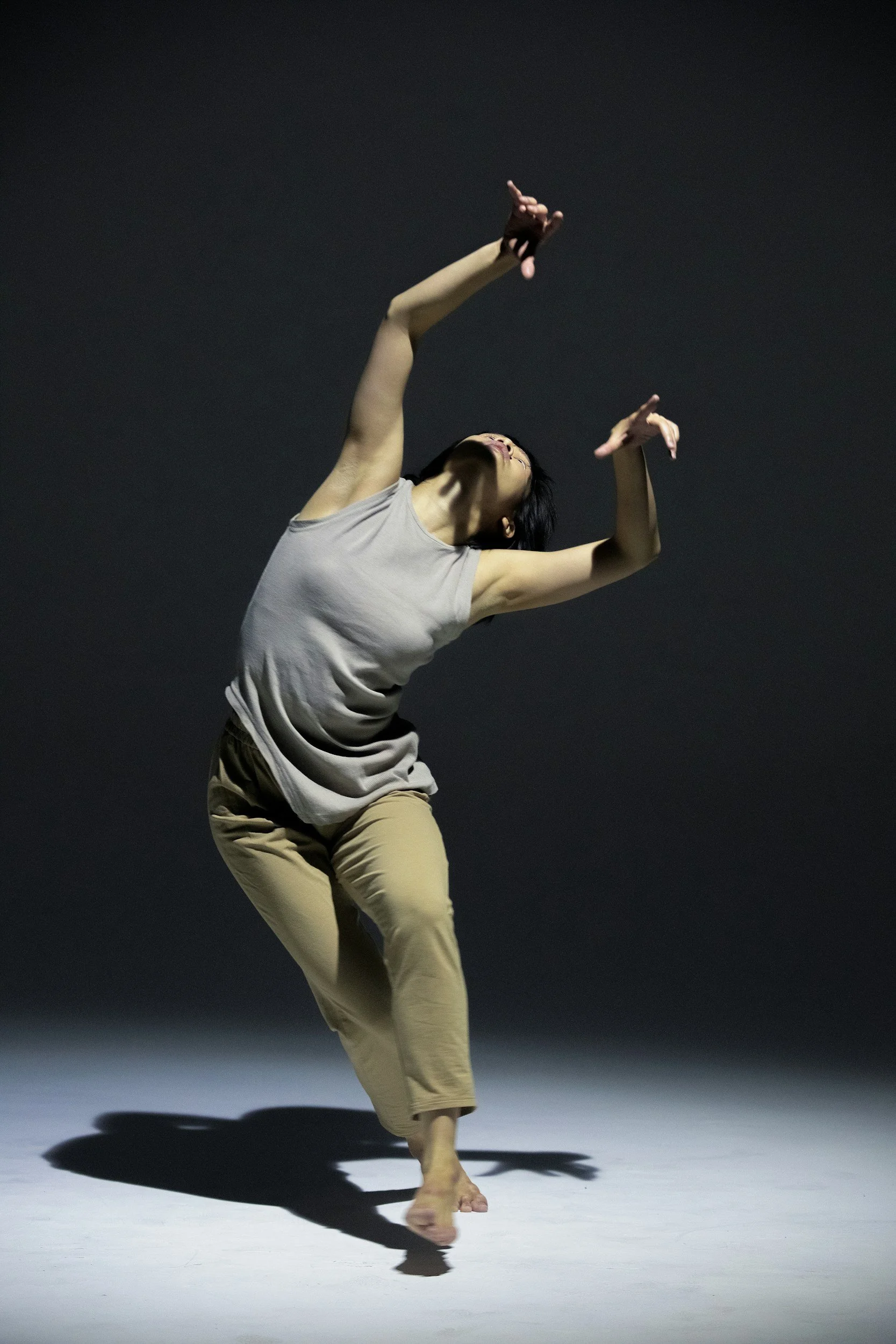
Freestyle Tai Chi transforms the human body into a fluid instrument of motion rather than a rigid cage of muscle. Traditional forms emphasize strict, repetitive geometric alignment. In contrast, practicing Tai Chi in a freestyle manner mirrors the training effects of contemporary dance. It sculpts a physique characterized by long lines, hidden core strength, and effortless coordination.
Dynamic Elasticity Over Rigid Mass
Freestyle practice forces the body to move continuously without fixed stopping points. This constant flow targets the deep fascia and connective tissues rather than isolating specific muscle groups.
Continuous motion builds long, lean muscle fibers.
Fascial fitness replaces stiff, bulky muscle tissue.
Elastic recoil creates a spring-like physical power.
Core-Driven Mobility
Dancers move from their center, a principle shared entirely by freestyle Tai Chi. By abandoning fixed routines, practitioners must constantly adapt their weight and balance.
The Dan Tien (lower abdomen) initiates every movement.
Deep stabilizers fire continuously to maintain balance.
The spine stays elongated, fluid, and highly articulated.
Expressive Freedom Destroys Tension
Stiff bodies often result from chronic mental and physical tension. Freestyle Tai Chi encourages spontaneous expression, which automatically releases micro-tensions in the joints.
Unpredictable pathways unlock tight shoulders and hips.
Varying speeds train the nervous system for agility.
Relaxed awareness mimics a dancer's calm posture.
By stepping away from rigid choreography, freestyle Tai Chi practitioners achieve a rare physical duality. They possess the grounded strength of a martial artist, expressed through the elegant, fluid form of a dancer.