
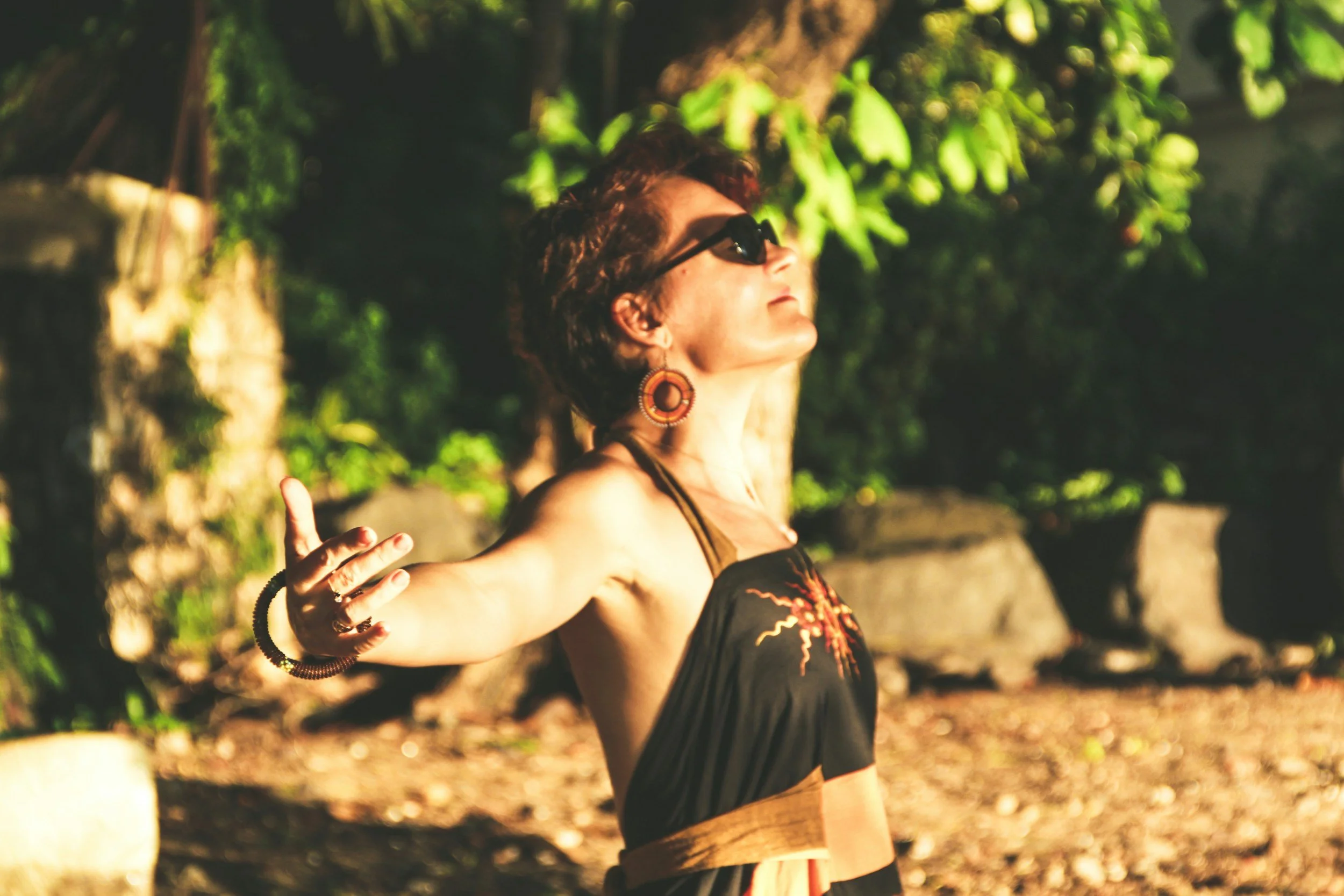
A playful Tai Chi practice invites curiosity back into the body, which is the cheat-code of creative aging. When we approach slow, flowing movement with a twinkle in the eye—treating each posture like a little experiment or a dance step—we reopen neural pathways that can otherwise stiffen with routine. That sense of exploration keeps the brain engaged: attention shifts, sensory details register more vividly, and the mind becomes more willing to imagine alternative ways of moving, thinking, and creating.
Playful practice also lightens the emotional load that often comes with getting older. Laughter, gentle surprise, and the permission to make mistakes reduce stress hormones and increase dopamine, the neurotransmitter tied to motivation and reward. As Tai Chi blends mindful focus with improvisational fun, it cultivates emotional resilience—so setbacks (physical or creative) feel less like dead ends and more like invitations to try a new angle or variation.
Finally, Tai Chi’s social and rhythmic nature fuels creative collaboration and reinvention. Practicing with others—mirroring, responding, and inventing small variations—builds improvisational muscle that transfers to projects, hobbies, and relationships. The result is a lifestyle in which the body is a playful laboratory and aging becomes an ongoing creative practice rather than a countdown, full of new movements, ideas, and ways to delight in being alive.