
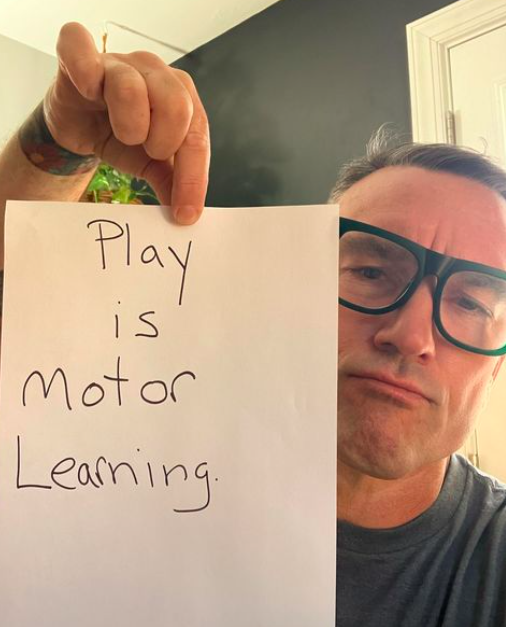
“When practice feels like play, we’re more likely to keep returning to it, creating a positive loop: movement brightens mood, mood fuels curiosity, and curiosity draws us back to movement. ”
Treating movement and Tai Chi like play unlocks a kind of creative mischief that serious practice sometimes buries. When we loosen the rules—experimenting with tempo, exaggerating a reach, or letting breath lead a fanciful spin—we invite curiosity back into the body. This playful attitude reduces self-judgment, allowing impulses and fresh ideas lodged beneath tension to bubble up. Movements become prompts instead of tests, and each improvisation becomes a tiny creative rehearsal that carries straight into our work, art, or problem-solving.
Tai Chi’s slow, flowing sequences are especially fertile ground for playful exploration because their simplicity hides depth. By varying rhythm, imagining different storylines for each form, or adding a whimsical intention (pretend you’re parting clouds to reveal a secret), we wake different neural pathways and encourage divergent thinking. The mind’s grip on “correctness” loosens, so associative thinking and metaphor-making — the building blocks of creativity — can flourish. The result is not just better technique, but a refreshed inner landscape where new connections and solutions appear more readily.
Playful movement also rejuvenates vitality by turning exercise into delight rather than duty. Joyful motion reduces stress hormones, boosts circulation, and recharges the nervous system, all of which fuel mental clarity and energy. When practice feels like play, we’re more likely to keep returning to it, creating a positive loop: movement brightens mood, mood fuels curiosity, and curiosity draws us back to movement. That loop regenerates both body and imagination, making each practice a tiny festival of renewal.