QiGong

Play Tai Chi to be More Creative

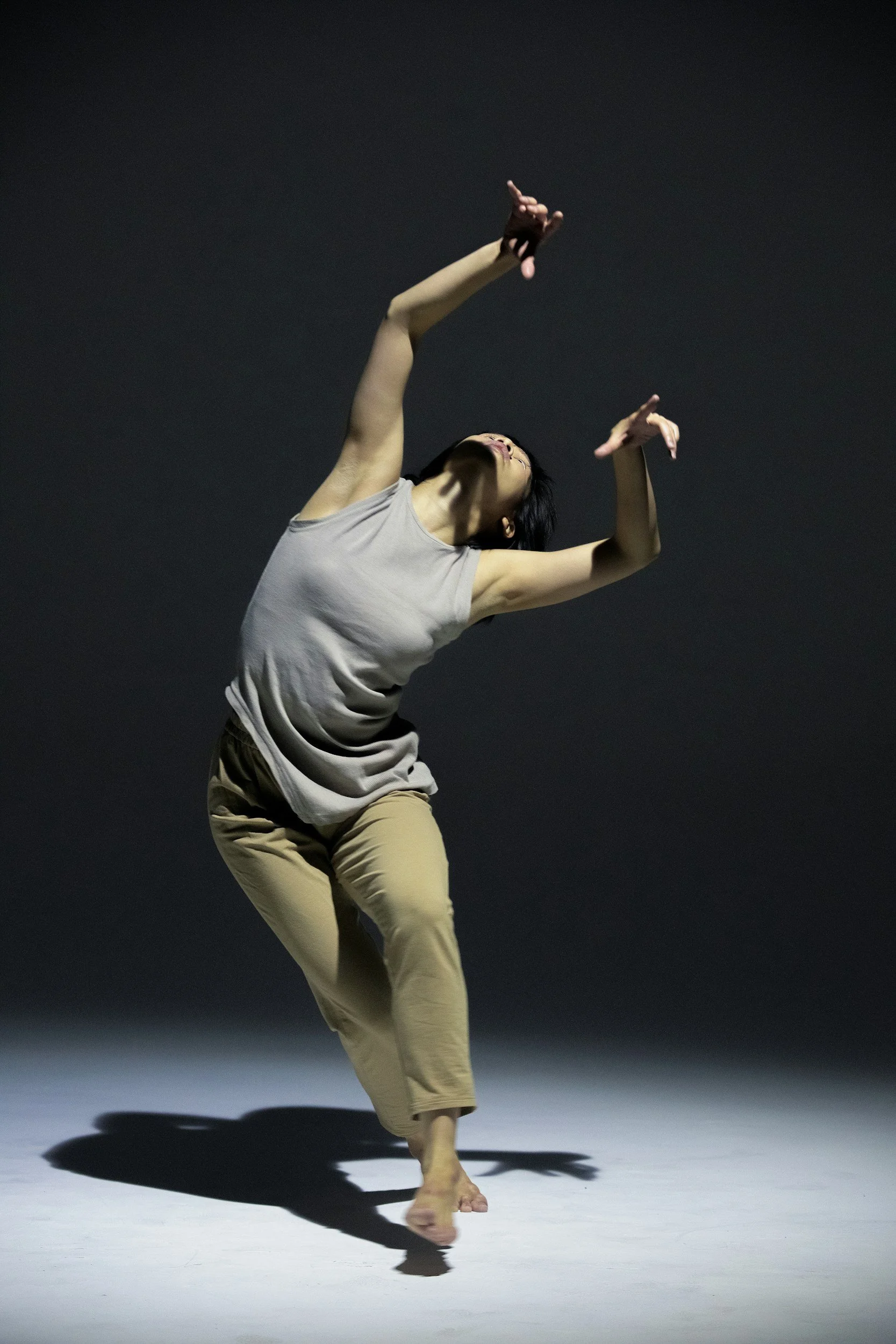
Free-style tai chi loosens the body’s habitual pathways into movement, inviting improvisation and curious exploration rather than rigid replication. By practicing principles—rooting, yielding, spiraling—without strict choreography, a practitioner learns to listen to subtle shifts in balance, weight, and intent. This tactile responsiveness trains the nervous system to generate novel solutions in the moment, so instead of reaching for memorized counters, a martial artist experiments with timing, angle, and intent, discovering creative entries and unexpected defenses. The slow, flowing practice also sharpens kinesthetic imagination: when you move slowly and with attention, you can play with variations that later scale up into faster, more dynamic exchanges.

Free-style Tai Chi fosters mental flexibility alongside physical adaptability, which is the bedrock of creative martial expression. It cultivates a playful attitude toward failure—trying small variations, accepting awkward results, and refining through iteration—so the mind becomes comfortable inventing instead of fearing improvisation. The practice encourages cross-pollination of movement ideas from dance, grappling, or striking arts, creating a richer vocabulary of techniques and transitions. Over time, this improvisational fluency produces martial artists who are not just technically proficient but inventively alive: able to transform constraints into opportunity and to turn a routine encounter into a personal expression of strategy and style.
The Perfect Beginner Tai Chi

A freestyle tai chi program is perfect for beginners because it invites curiosity over precision. Instead of strict choreography, freestyle encourages exploring movements at your own pace, which lowers the intimidation factor for people new to mind-body practice. You can start with simple weight shifts, gentle spirals, and arm paths that feel natural, building confidence before layering on form or technique.

Beginners benefit from the adaptability of freestyle tai chi: sessions can be easily scaled to match mobility, fitness level, or energy that day. Instructors focus on principles—balance, breath, and intention—rather than rigid sequences, so students learn how to listen to their bodies and make safe choices. This approach reduces embarrassment and injury risk while promoting sustainable progress.

Freestyle also cultivates playful creativity, turning practice into a personal exploration rather than a test. New students quickly experience improvements in coordination, relaxation, and focus because they practice movement that feels relevant and enjoyable. That combination of accessibility, safety, and fun makes freestyle tai chi an ideal doorway into lifelong movement.

Creative Pathways Through Qi Gong

Qi Gong’s gentle, rhythmic movements and breath coordination create a natural pathway to entrainment — the synchronization of internal rhythms like heart rate, breathing, and neural oscillations. By guiding attention to slow, patterned motion and steady inhalations and exhalations, qi gong encourages the nervous system to shift from scattered, high-frequency arousal toward more coherent, lower-frequency patterns. This physiological settling reduces reactive stress responses and opens the mind’s processing bandwidth, making it easier for different brain networks to lock into productive rhythm with one another. In that state of synchronized timing, sensory information and memory can be integrated more smoothly, which supports clearer insight and a greater capacity for sustained attention.

When entrainment establishes a calmer, more integrated internal environment, creativity gets a practical boost: novel associations become easier to form, and the mind is less likely to get stuck in habitual loops. The slow, mindful quality of qi gong also cultivates playful curiosity and lowers the fear of making mistakes, psychological conditions that foster divergent thinking. Additionally, the embodied focus—bringing awareness into the body rather than remaining lost in abstract thought—can surface fresh metaphors and kinesthetic ideas that fuel creative output. In short, qi gong’s entraining effects both prepare the nervous system for flexible thinking and provide a fertile, relaxed space where new connections and creative solutions can emerge.

The Rhythmic Art of Qi Gong

Rhythmic movement practices like Qi Gong offer gentle, repetitive sequences that can help people with Parkinson’s disease and similar movement disorders rebuild confidence in their bodies. The slow, intentional motions reduce the stress of complex coordination and give practitioners clear, achievable patterns to follow. Repetition strengthens motor pathways, encouraging smoother, more automatic movement over time. For many, simply knowing the next movement in a rhythm reduces freezing episodes and anxiety about initiating motion.

Breath and rhythm are tightly linked in Qi Gong, and that connection can directly benefit balance and posture. Coordinating inhalations and exhalations with movement engages the core and encourages upright alignment, which counteracts the stooped posture common in Parkinson’s. Improved breath control also supports steady gait and reduces shortness of breath during activity, making daily tasks less tiring. The cadence of movement paired with breath provides an internal metronome that helps synchronize limbs and trunk.

Rhythmic arts stimulate multiple brain networks simultaneously—motor, sensory, and cognitive—fueling neuroplasticity. The combination of patterned movement, mindful attention, and sensory feedback creates rich learning conditions that can help the brain form alternative pathways around damaged circuits. Studies and clinical reports show that consistent practice can enhance motor timing, reduce tremor amplitude for some people, and improve overall coordination. Even when symptoms persist, many practitioners report clearer movement intention and fewer sudden disruptions.

Beyond the physical, rhythmic group classes like Qi Gong offer social and emotional benefits that are crucial for people with chronic neurological conditions. Practicing in a group creates a shared rhythm and sense of safety, reducing isolation and improving mood. Laughter, encouragement, and the playful nature of many rhythmic arts lower stress hormones that can otherwise worsen motor symptoms. The predictable, welcoming structure of classes also provides ritual—an underrated but powerful therapeutic ingredient.

Practical accessibility makes Qi Gong especially suitable: it requires minimal space and no special equipment, and movements can be adapted for sitting or standing. Instructors can modulate tempo and complexity to match a person’s current abilities, gradually increasing challenge as strength and confidence grow. For caregivers and clinicians, recommending a rhythmic arts practice offers a low-risk, low-cost adjunct to medical treatment—one that supports movement, breathing, cognition, and community all at once.

The Art of Playful Tai Chi

When practice feels like play, we’re more likely to keep returning to it, creating a positive loop: movement brightens mood, mood fuels curiosity, and curiosity draws us back to movement.
— Jason C. Brown

Treating movement and Tai Chi like play unlocks a kind of creative mischief that serious practice sometimes buries. When we loosen the rules—experimenting with tempo, exaggerating a reach, or letting breath lead a fanciful spin—we invite curiosity back into the body. This playful attitude reduces self-judgment, allowing impulses and fresh ideas lodged beneath tension to bubble up. Movements become prompts instead of tests, and each improvisation becomes a tiny creative rehearsal that carries straight into our work, art, or problem-solving.

Tai Chi’s slow, flowing sequences are especially fertile ground for playful exploration because their simplicity hides depth. By varying rhythm, imagining different storylines for each form, or adding a whimsical intention (pretend you’re parting clouds to reveal a secret), we wake different neural pathways and encourage divergent thinking. The mind’s grip on “correctness” loosens, so associative thinking and metaphor-making — the building blocks of creativity — can flourish. The result is not just better technique, but a refreshed inner landscape where new connections and solutions appear more readily.

Playful movement also rejuvenates vitality by turning exercise into delight rather than duty. Joyful motion reduces stress hormones, boosts circulation, and recharges the nervous system, all of which fuel mental clarity and energy. When practice feels like play, we’re more likely to keep returning to it, creating a positive loop: movement brightens mood, mood fuels curiosity, and curiosity draws us back to movement. That loop regenerates both body and imagination, making each practice a tiny festival of renewal.

Cultivating a Playful Practice

Freestyle Tai Chi and Qi Gong are like permission slips for the body and mind to play. Their slow, exploratory movements strip away the pressure of right angles and rigid repetition, inviting you to experiment with weight, breath, and balance the way a child tests the limits of a new toy. That unhurried curiosity loosens habitual patterns—both physical and mental—so you start noticing subtle shifts in posture, timing, and intention. With each soft step and spiral, you become more willing to try something awkward, imperfect, or offbeat, and that willingness is the seed of creativity.

With each soft step and spiral, you become more willing to try something awkward, imperfect, or offbeat, and that willingness is the seed of creativity.
— Jason C. Brown

The internal arts tune you into sensation first, idea second. When you prioritize sensing the pivot of your hip or the flow of qi through your side, your mind stops sprinting toward outcomes and instead luxuriates in process. This sensory-first approach mirrors how children learn: they reach, feel, and repeat without overthinking. As your nervous system calms through rhythmic breath and gentle focus, mental chatter quiets and space opens for unexpected associations, playful imagery, and novel solutions to emerge. Creativity, freed from the tyranny of immediate productivity, becomes a natural byproduct of practice.

Playfulness in movement also rewires your relationship to failure. In the soft, forgiving environment of internal practice, falling out of a posture or losing balance isn’t a catastrophe but feedback: a funny, informative hiccup that invites a tweak or a laugh. That attitude carries over to creative work—sudden mistakes are reimagined as detours, accidents as serendipity. Over time, you cultivate a lighter, more experimental stance toward projects, more willing to sketch, improvise, and iterate without self-critique shutting the door.

Finally, Freestyle Tai Chi and Qi Gong reconnect you with a sense of wonder. The deliberate slowness makes ordinary sensations feel novel again—how a breath can ripple through the ribs, how fingers can unfurl with the softness of a fern. Approaching life with that same delighted attention transforms everyday movement and creative play into ongoing discovery. Your body remembers how to be adventurous; your mind remembers how to be childlike. And together they make space for a life that’s both nimble and full of joyful invention.

Secret Superpowers for the Creative Mind

Freestyle Tai Chi and Qi Gong are like secret superpowers for the creative mind — they give you a slow-motion playground where ideas stretch and rearrange themselves. The flowing, improvisational movements open neural pathways by syncing breath, attention, and motion; this gentle integration loosens mental rigidity and makes space for fresh connections. When you practice letting movement lead instead of thought policing every step, your brain learns to tolerate uncertainty and play with possibilities — the exact conditions that spark creative insight.

Physically, these arts act as longevity tonic disguised as a delightful ritual. Their low-impact, full-body sequences maintain joint mobility, balance, and proprioception with minimal wear-and-tear, while the mindful emphasis on alignment and relaxed power prevents injury from repetitive or high-intensity activities. Regular practice increases circulation, enhances fascia health, and trains the body’s adaptive systems so you move with resilience and ease long into later decades — like upgrading your chassis for a longer, smoother ride.

Together, Freestyle Tai Chi and Qi Gong create a virtuous loop: mental flexibility fosters exploratory movement, and resilient bodies provide the freedom to keep creating. The result is sustained creative output and physical capacity that feel less like maintenance and more like play — a life where curiosity, expression, and motion age gracefully together.

Build a Creative Practice with Freestyle Tai Chi

Freestyle Tai Chi invites curiosity by removing the pressure of perfection. Without fixed forms to replicate, practitioners experiment with tempo, direction, and intention, which activates the same divergent thinking used in creative problem-solving. Small improvisations—an unexpected weight shift, a playful reach—become micro-experiments that train the mind to welcome novelty instead of fearing mistakes.

A Freestyle Tai Chi practice reconnects the body’s sensations with imagination. As attention lands on breath, balance, and the felt sense of limbs, movement ideas arise organically; the body suggests possibilities the mind hadn’t considered. This somatic feedback loop turns each session into a conversation between impulse and control, where new movement phrases are discovered rather than imposed.

Falling back in love with movement happens when practice feels like play again. Freestyle Tai Chi emphasizes ease, curiosity, and personal expression, making movement accessible and joyful rather than performance-driven. Over time, that playful exploration spills into daily life—people move more freely, take creative risks, and remember that movement can be a source of delight, not just utility.

Moving Body - Nimble Mind

My work here at Moving Body - Nimble Mind starts with a simple reality: the mind is not separate from the body. It is expressed through the body, shaped by the body, and continuously regulated by the body.

This is the unified worldview behind movement cultures: movement is not merely mechanical activity. It is one of the primary languages of the nervous system, and one of the most direct ways to influence how a person feels, focuses, and functions.

I’ll be sharing more about my local work in the form of classes and workshops.

Here’s a nice video of my Moving Body - Nimble Mind workshop. A workshop your body and brain will love.

The Creative Path of Tai Chi

Creativity preserves the essence of Tai Chi—harmonious movement and mindful presence—while making it useful, personal, and fun.
— Jason C. Brown

A freestyle creative approach to Tai Chi unlocks personal expression and adaptability. Rather than strictly repeating fixed sequences, practitioners are encouraged to improvise movements that honor the principles of balance, breath, and rootedness.

This playfulness deepens body awareness: when you invent a flow that suits your anatomy and mood, you learn what alignment and weight transfer truly feel like, not just what they are supposed to look like on paper.

Creativity in practice fosters resilience and practical skill.

In real-life interactions—unexpected pushes, uneven ground, or sudden shifts—rigid adherence to a prescribed form can leave you unprepared. Freestyle Tai Chi trains responsiveness: you practice sensing intention and adjusting in the moment, refining sensitivity to timing and contact. This builds a nimble body and a quick mind that can apply tai chi principles dynamically, rather than mechanically replicating memorized postures.

Finally, a non-dogmatic approach keeps the practice alive and joyful. When Tai Chi is treated as a living art, students stay engaged because they are invited to explore, play, and co-create with partners or music. That sustained curiosity leads to longer-term commitment and deeper integration of the art into everyday life.