
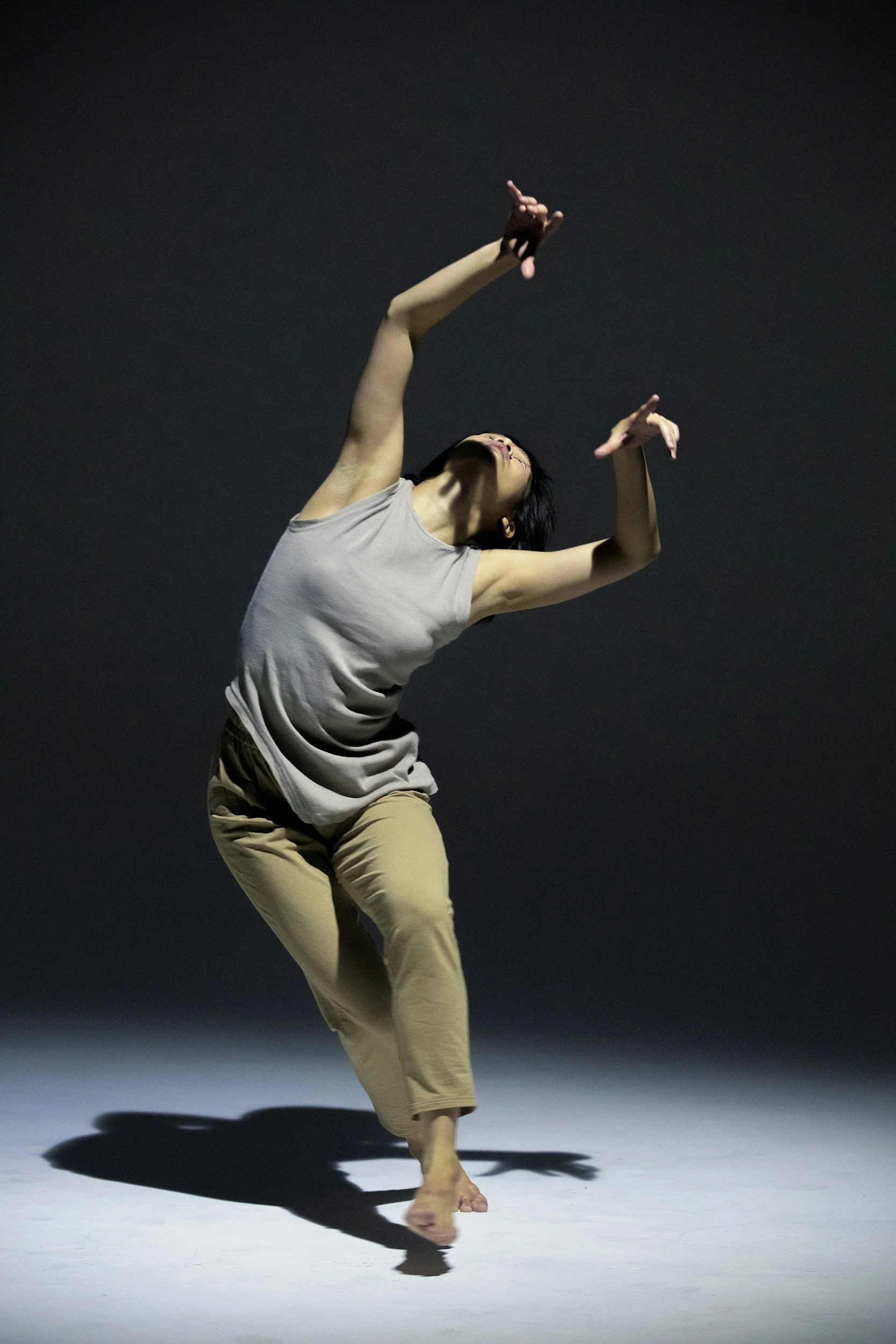
Rhythmic movement practices like Qi Gong offer gentle, repetitive sequences that can help people with Parkinson’s disease and similar movement disorders rebuild confidence in their bodies. The slow, intentional motions reduce the stress of complex coordination and give practitioners clear, achievable patterns to follow. Repetition strengthens motor pathways, encouraging smoother, more automatic movement over time. For many, simply knowing the next movement in a rhythm reduces freezing episodes and anxiety about initiating motion.
Breath and rhythm are tightly linked in Qi Gong, and that connection can directly benefit balance and posture. Coordinating inhalations and exhalations with movement engages the core and encourages upright alignment, which counteracts the stooped posture common in Parkinson’s. Improved breath control also supports steady gait and reduces shortness of breath during activity, making daily tasks less tiring. The cadence of movement paired with breath provides an internal metronome that helps synchronize limbs and trunk.
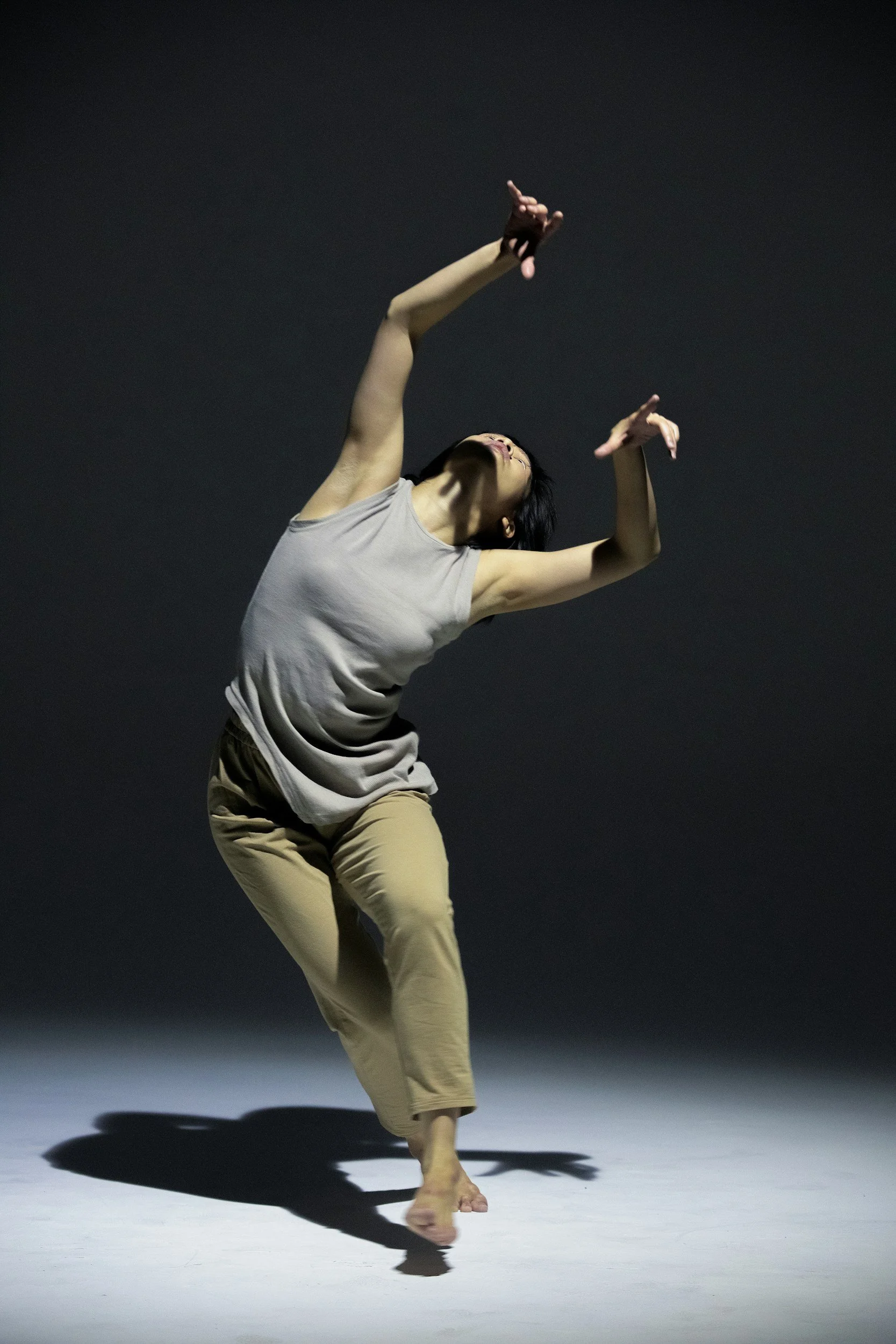
Rhythmic arts stimulate multiple brain networks simultaneously—motor, sensory, and cognitive—fueling neuroplasticity. The combination of patterned movement, mindful attention, and sensory feedback creates rich learning conditions that can help the brain form alternative pathways around damaged circuits. Studies and clinical reports show that consistent practice can enhance motor timing, reduce tremor amplitude for some people, and improve overall coordination. Even when symptoms persist, many practitioners report clearer movement intention and fewer sudden disruptions.
Beyond the physical, rhythmic group classes like Qi Gong offer social and emotional benefits that are crucial for people with chronic neurological conditions. Practicing in a group creates a shared rhythm and sense of safety, reducing isolation and improving mood. Laughter, encouragement, and the playful nature of many rhythmic arts lower stress hormones that can otherwise worsen motor symptoms. The predictable, welcoming structure of classes also provides ritual—an underrated but powerful therapeutic ingredient.
Practical accessibility makes Qi Gong especially suitable: it requires minimal space and no special equipment, and movements can be adapted for sitting or standing. Instructors can modulate tempo and complexity to match a person’s current abilities, gradually increasing challenge as strength and confidence grow. For caregivers and clinicians, recommending a rhythmic arts practice offers a low-risk, low-cost adjunct to medical treatment—one that supports movement, breathing, cognition, and community all at once.